New Book FAQ

Well, it’s more like a FAQIAPWAM (Frequently Asked Questions I Assume People Would Ask Me). I haven’t had anybody ask me all these questions, so I made some up.

Q. Why did you choose to write short stories?

A. Because I thought they’d be easier than a novel. (Pause for overwrought laughter.)

Q. Do they involve the same characters as in your novel?

A. No, they feature new characters in new settings.

Q. I loved your novel…

A. Thank you!

Q. … but its subject matter is a little heavy. Do you tackle the same issues in your stories?

A. No, the stories are much lighter. Substantial enough to make a good read, but without the difficult moments in my novel.

Q. What are the stories about?

A. They’re about ordinary people in ordinary life, making decisions that affect the outcome of their day—or their whole lives.

Q. So, not to be offensive, but ordinary people aren’t very exciting.

A. I’m not offended. After all, you’re pretty boring. Haha, just joking! The fact is, ordinary people aren’t boring; we’re all a complex mix of good and bad, wise and foolish. These are sympathetic and funny stories about people you feel like you know.

Q. I’m not convinced. Tell me about some of these ordinary people who aren’t boring.

A. Well, there’s McKee and Cheryl, who take a wrong turn in an unfamiliar town and unknowingly leave a very lasting impression. Or there’s Makayla, whose husband Hunter drives a big expensive truck even though all they can afford to live in is a trailer—plus she’s got a few issues from her first marriage that she hasn’t exactly fixed up. And you’ll want to hang out with Paige Parker—wife, stay-at-home mother of four, superspy, music tycoon, and fantasy wizard warrioress. Other stories involve discovering love in a canoe, Uncle Bobby laid out on the porch, and five pizza recipes.

Q. Hm, you’re right, sounds intriguing.

A. I thought you’d think so. For my longtime “knew-me-back-when” readers, the final story has a distinct Tales from the Creekbank flavor. You’ll like it.

Q. Will it be available in print as well as ebook, like your novel is?

A. As an independent author, I pay for everything. So I’m selling it as an ebook first, and will release it in print when funds allow.

Q. When is the release date?

A. I’m still wrapping up details, so for now it’s “November.”

Q. Will this make a good Christmas gift?

A. Absolutely. Amazon allows you to give an ebook as a gift. If you need a different format, I sell those too.

Q. I bet it would make a good birthday gift, too. Or just a friendship gift. Or maybe an inexpensive splurge on myself!

A. It’s like you’re reading my mind!

Q. So what about the dromedaries who can’t behave? What are the titles of the stories?

A. Oh, come on. You know what I’m going to say.

Q. I have to get the book and see for myself, right?

A. Enjoy! (I really think you will.)

New eBook Release

Confession: my announcement actually has nothing to do with criminal camels. I bet you already knew that.

I’m just puzzled dromedaries can’t behave is the mnemonic device I use to remember the titles in my new short story collection.

That’s my real announcement.

I’m launching a new ebook next month.

Six original short stories that will make you laugh, probably won’t make you cry, and will remind you of your own world.

I’ll be posting Frequently Asked Questions to talk more about it. But you’ll definitely want to get a copy, trust me.

Blogging on Patheos Today

I was invited to contribute to a “public square” discussion on Patheos. The question is, “Why do you homeschool?” It’s a really good question for any of us who came through Bill Gothard’s spiritually poisonous system.

Here’s my answer. It’s For the Children

I’m impressed at the lineup of authors that the editors editors pulled in for this topic. It gives a wide variety of homeschool viewpoints. Check it out!

Proving the Red Pen Wrong

I try not to talk shop too much on my author blog. But I love the writing process, and occasionally I break down and indulge myself. If you’re a writer, you’ll understand. If you’re not, well, I’m sure this can apply to your life somehow– if you try hard enough. Isn’t that how we were taught to accept everything our authorities ever said to us?

ball-pen-1186363-1280x960If you’re a writer, you need an editor.
Yes, you’re a good writer. Nobody else can tell your story like you can. Your grasp of grammar is legendary. Writing is your passion.

I know! Me too! Guess what—we still need an editor.

Writers practice a form of telepathy, really. We allow others to see what exists only in our heads. Unfortunately, the connection tends to be glitchy. Some ideas come off half-formed, and there’s usually an unpalatable amount of self-therapy involved. Most people find it hard to grasp exactly what we’re trying to say. It’s the editor’s job to clean all that up.

Now, I really love to whine about being edited. For one thing, it’s expensive. You pay a good editor real money. But more than that, the process is painful. Every darn time. Getting a marked-up document back is demoralizing, embarrassing, and frustrating.

But after the initial shock… it’s also challenging. My life coalesces around a single, burning goal. I’m going to prove my editor wrong.

She thinks this plot point doesn’t work? Yes, it does. I’ll show her it does.

She questions whether a character would say this? Yes, he would. Maybe not quite like that… I’ll make it fit him.

She says this isn’t the word to describe this feeling… um… well, okay, she’s right that time. But only until I clarify the emotional tenor of the scene, and then she’ll be wrong.

I’ve worked with Lee Ann at Illuminations Editing for both my novel (released last year) and my short story collection (to be released this year). It’s been a bumpy ride in spots—okay, fine, I cried a couple of times over my marked-up document— but overall extremely rewarding. Going through my story document this morning, I pulled out a few editorial comments to illustrate what I’m talking about.* This, writer friends, is what you pay an editor to do.

<>
After knowing Curtis for 12 years, I doubt Jordan would actually verbalize a fear of being annoying. After all, this is how she would have always talked around Curtis. Dane made her second-guess herself, but I think it makes more sense to have her self-doubt happen below the surface.

Almost nobody else would pause at a quick exchange of dialogue and think, “Hm, I bet that emotion ought to be internalized instead.” But it does make more sense for that character, and the more consistent I am, the stronger the story is. I took out the spoken dialogue and just left Jordan’s inner voice.

<>
I deleted this exchange because it sounded forced and unnecessary.

The irritating really great thing about a good editor is that she pinpoints areas you already know are weak. I didn’t like that exchange either, but thought it was necessary. It wasn’t.

<>
“Went through” sounds vague. Depending on how you revise this sentence, you may need to remove the paragraph break and/or rewrite the next sentence so that the action connects and builds properly.

One of the rewarding aspects of a working author-editor relationship is how I can be nudged into a little more creativity.

The offending sentence read, “I went through my purse for my phone.” I could just ignore her comment. What reader is going to stop and think, “Went through is so boring. I hate these stories.” But… what if I made my character dump out her purse, and her phone slides underneath the coffee table? More energy, more interest. That’s better, and I always want the story to be better.

<>
This does not sound like a Makayla gesture or Makayla words—or maybe the gesture doesn’t sound right because the words aren’t how she would describe it.

In one particular story, I had trouble staying in voice. I kept barging in and talking like myself instead of like the narrator. Lee Ann never let me get away with it, either. I took out the gesture and reworded the dialogue so that it was no longer me talking.

<>
But just like I don’t ignore my editor’s suggestions, I don’t take all of them either. I’m the ultimate authority over this piece. She highlighted an entire passage with the comment:

This is all unnecessary to the story.

It wasn’t unnecessary. I needed to wrap up a loose end, and I needed to give a character more space after his introduction in the beginning of the story.

The trouble was a telepathic glitch—I’d written it sloppily, so it didn’t ring true for Lee Ann. So I cut down the dialogue and condensed the action. The scene doesn’t drag anymore, but the information remains.

<>
It’s a lot of work to revise a manuscript, maybe harder than writing it to start with. But if the marked-up manuscript is painful, there’s nothing quite like getting it back with, “You fixed everything. I love reading your revisions. It’s like magic.”

I proved her wrong. Life goal achieved.


*Lee Ann approves of “show, don’t tell.” When editing my novel, she had to mention it so often that she finally just shortened the comment to “S,DT” to save us both time.

A Little Collection

In a completely self-indulgent blog moment, I’m posting pictures that remind me of my novel.

Writers are always — yea, even obsessively — looking for and collecting characters, settings, and elements from their stories. That means we find pictures of houses, random items, and, ahem, actual people who don’t actually know that they are being collected.

Case in point, I’m a little sad that I missed the chance to get a picture of a young woman in a red jeep the other day. It was a perfect Bekah picture. Unfortunately, the light changed and I had to drive away. Stupid traffic laws.

Anyway, here are a few little things from my Fellowship collection. You do have to have read the novel to appreciate them. (Haven’t read it yet? Click the link to get your copy.)

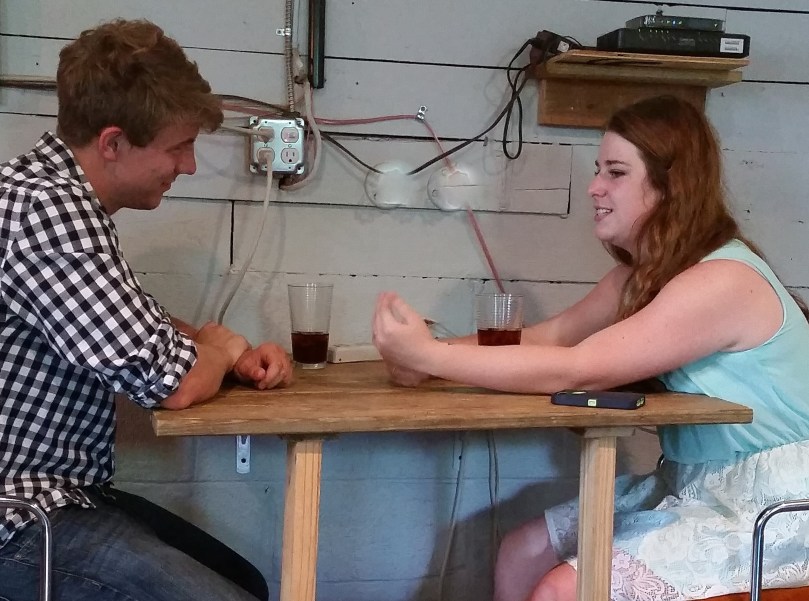
This unsuspecting couple at a coffee shop became Bekah Richards and Ty Williams. They’re not dead ringers for those characters, but they capture the right spirit. I’m going to pretend that’s iced tea in those glasses, though. Bekah’s is unsweet, of course.

20150531_1248451

Another time, at a festival in another town, I came across Rob Branner. (The actual man had a British accent that was just devastating. But I bet Rob’s Southern drawl isn’t too shabby either.)

12493590_456174304591477_2089065657598653185_o

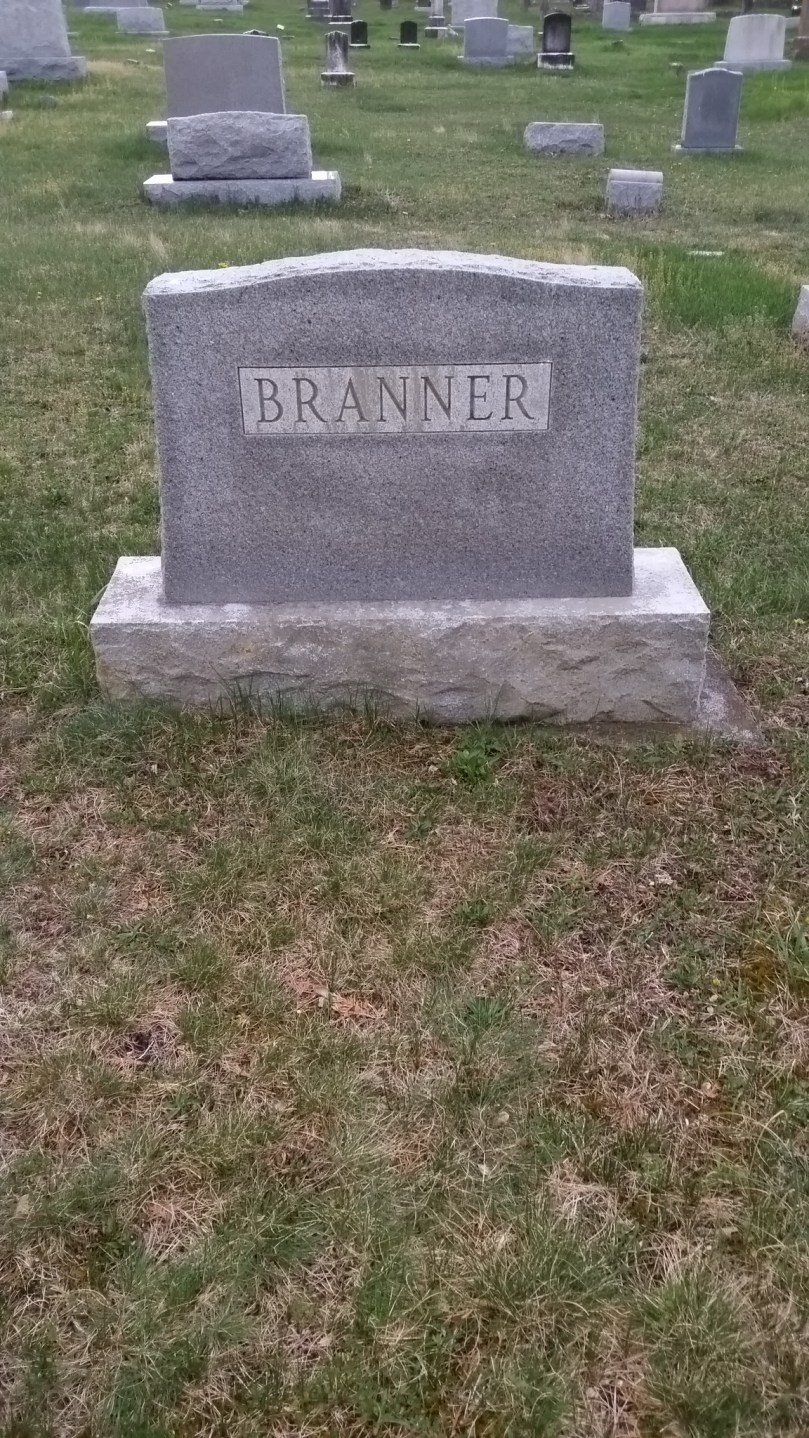
Graveyards are a hobby of mine. No, really; my husband and I even walked through one during our honeymoon. I wander through the headstones, noting distinctive names, and wondering about the people’s whose lives have already come and gone.

It was at this cemetery, four or five years ago, that I found the perfect name for my church founder.

20160407_185957

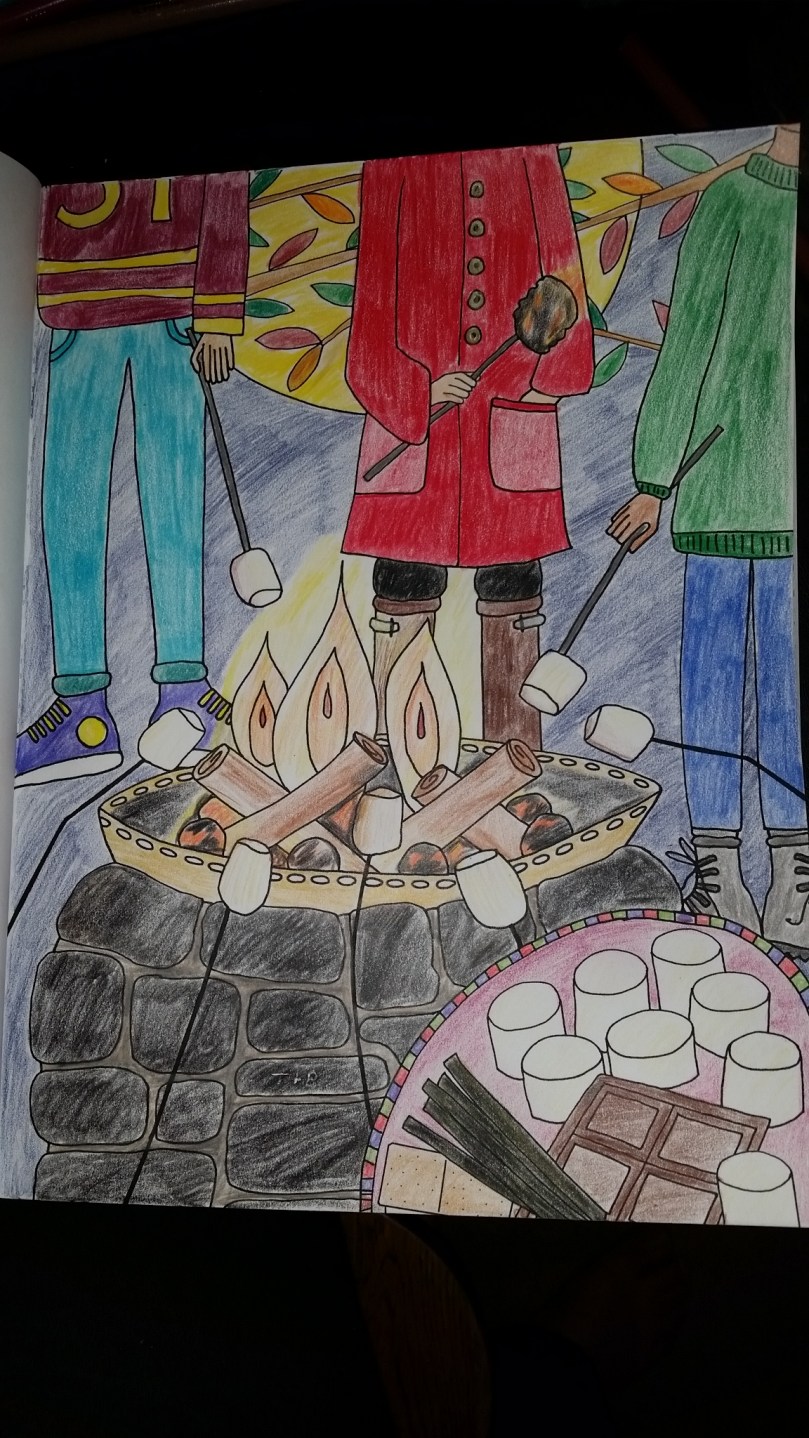
I (reluctantly joined the trend and) color. I particularly enjoy pictures that let me think about the people who live in my head. There’s a marshmallow-roasting scene in The Fellowship, in which Bekah says she likes her marshmallows “burned.” Rob replies that the proper term is “Flambe.” When she eats the black, crispy, gooey marshmallow, Rob remarks, “That’s revolting.”

That line is actually a kind of an inside joke between DJ and me. On one of our early dates, I took him to Dairy Queen, where we both got Blizzards. I spent more time talking than eating, until my Blizzard melted. DJ — who, by the way, still didn’t have my official answer that we were actually a couple so needed to play his cards just right — looked at the brownish sludge in my cup and said, “That’s revolting.”

And I fell hard for that confidence.

In honor of that scene, I gave Bekah (in the red coat) a burned marshmallow. But this isn’t the scene from the book, which takes place in the summer. This is later, after the novel has ended but the characters live on to have marshmallow roasts over a fire pit.

20160409_174914

When I was working on the picture, however, I pointed out the tray in the lower right corner. I thought it was cheese and crackers, but I couldn’t figure out what the cylinders were supposed to be. Sushi?

DJ said, “I think they’re marshmallows, since you’ve got the graham crackers and chocolate…”

And I started laughing. I’d colored the roasting sticks green because I thought they were celery:

20160409_173015

Graham crackers, chocolate, marshmallows, and celery… now that’s revolting.

A Review: “Gave Me a Deeper Understanding”

Gretchen Louise at Kindred Grace has posted a review of The Fellowship. 

Different people notice different aspects of the story. Some have remarked on how easy it was to get to know the characters. Some recognize specific teachings or experiences. Some love the often-irreverent humor, and a lot of people held out hope that it wasn’t really lost. (What wasn’t? Hm, looks like you should read the story.)

What Gretchen highlights is the fact that “the familiar” is a very strong force. It’s often easier to stay in a bad but familiar situation than risk a new, possibly better, one.

But I think what stood out to me most in The Fellowship is how comfortable the familiar could become. As much as Bekah loved the taste of freedom, the rules that had bound her for so long were so very compelling… At the same time, I was given a much deeper understanding into the mindset of those who are unwilling to leave unhealthy and even dangerous situations.

Read the entire review here, and linger to browse her beautiful site.

A Review: Written with Grace and Finesse

Carrie over at Reading to Know has reviewed The Fellowship. She was pretty reluctant to read it; after all, a book about this topic (spiritual abuse in a seemingly godly community) at this time (Gothard, Phillips, Driscoll, Duggars…) can’t be anything but an excoriating vendetta in 331 pages, right?

Carrie writes:

I was prepared to be on my guard when reading this book but I should have known that Sara would have me relaxed within just a few chapters. Although the point of the book is clear – to poke holes in a lifestyle of legalism and show its dangers – she does it with grace (har, har) and finesse. …I was hooked on the story of Bekah from the get-go. …Sara tells her story well and with her usual good humor which had me laughing out loud for several minutes once or twice. And again, I heard her arguments as to why there is a great need for those who have grown up in the ATI (or any legalistic) culture to see and understand grace.

I didn’t write a vendetta; I wrote a real story about realistic people. I wrote it so that those who were in a “Fellowship” can see that they were indeed wronged; and so those outside can understand what it’s like to be on the inside.

Check out Carrie’s entire review. And browse around to see what else she’s been reading. You’ll be there a while.

O the Deep, Deep Love of Journals

Recently I found out that my friend Toni at RedPenTravelers.com “made journals.”

I love pretty much all journals. It was a a mark of virtue in my own “Fellowship” to keep a regular diary, and it was something I could actually do, unlike sew my own clothes or get up early to meditate on Scripture.

At some point, our Venerated Teacher came up with the idea that we shouldn’t keep “diaries” that recorded personal stories and weren’t meant to be read; we instead should keep “journals” that were written for the edification of others. So much for my natural advantage; I was being all worldly and sinful after all.

Although I struggled to conform to this godly (ahem, ridiculous) standard, and still managed to fill up several books. And all these years later, I don’t know anybody who would want to slog through the overblown prose of a Southern girl who read too much Jane Austen and developed crushes on her own fictional heroes.

All that to say that when I found out about Toni’s journals, I rushed over to see them. Because, you know, journals. What I found was absolute fabulousness.

A handmade leather journal cover, customized according to my choice of color and state. My hometown marked with a heart, and the front cover stamped with my initials. It all fit in my purse. It fit in my life. I needed that journal cover like my teenage self needed a real boyfriend.

The travel journals are designed to accommodate inserts that you can buy. I folded and trimmed paper to fit mine. You might notice that the paper is blank. These days I don’t fill up journals like I used to. But my love for them is undiminished.

Toni and I weren’t exactly at school together, but we were in the same cult, which makes a way better story. She and I met as teenagers at the big annual conference, when we both wore long skirts and she had long hair (I never could grow my hair to a godly length). We wrote letters for years, then fell out of touch until Facebook dawned, Recovering Grace was launched, and we all worked through the tangles of our past together.

As Miss Red Pen, Toni proofread my novel. As RedPenTravelers, she’s offering a discount for everyone who shows up saying I sent them.

So, be ye sent. Click here to check out her site. Use the coupon code FELLOWSHIP for 10% off your order through this December.

Seriously, why are you even still here? You could be a few minutes closer to holding your own handmade customized leather journal in your hand. And say hi to Toni for me while you’re over there.

*****

The Fellowship is available on Kindle and in print.

The Writing Process: A Visual Guide

One of the most baffling responses I can get from a test reader is, “I didn’t really get this part.”

How could she not pick up on what I very clearly spelled out in that scene or story? I read it a thousand times myself. It’s all there! Right… there…? No?

The problem is that authors tend to fill in missing pieces without realizing it. Which great insight I pondered a lot over the past two days as I put together a surprisingly challenging puzzle.

The job of a writer is to write your ideas so that your readers see them the same way you do.

Allow me to illustrate.

Your Story Concept:

What you see:

20151107_190247

What they see:

20151105_154212
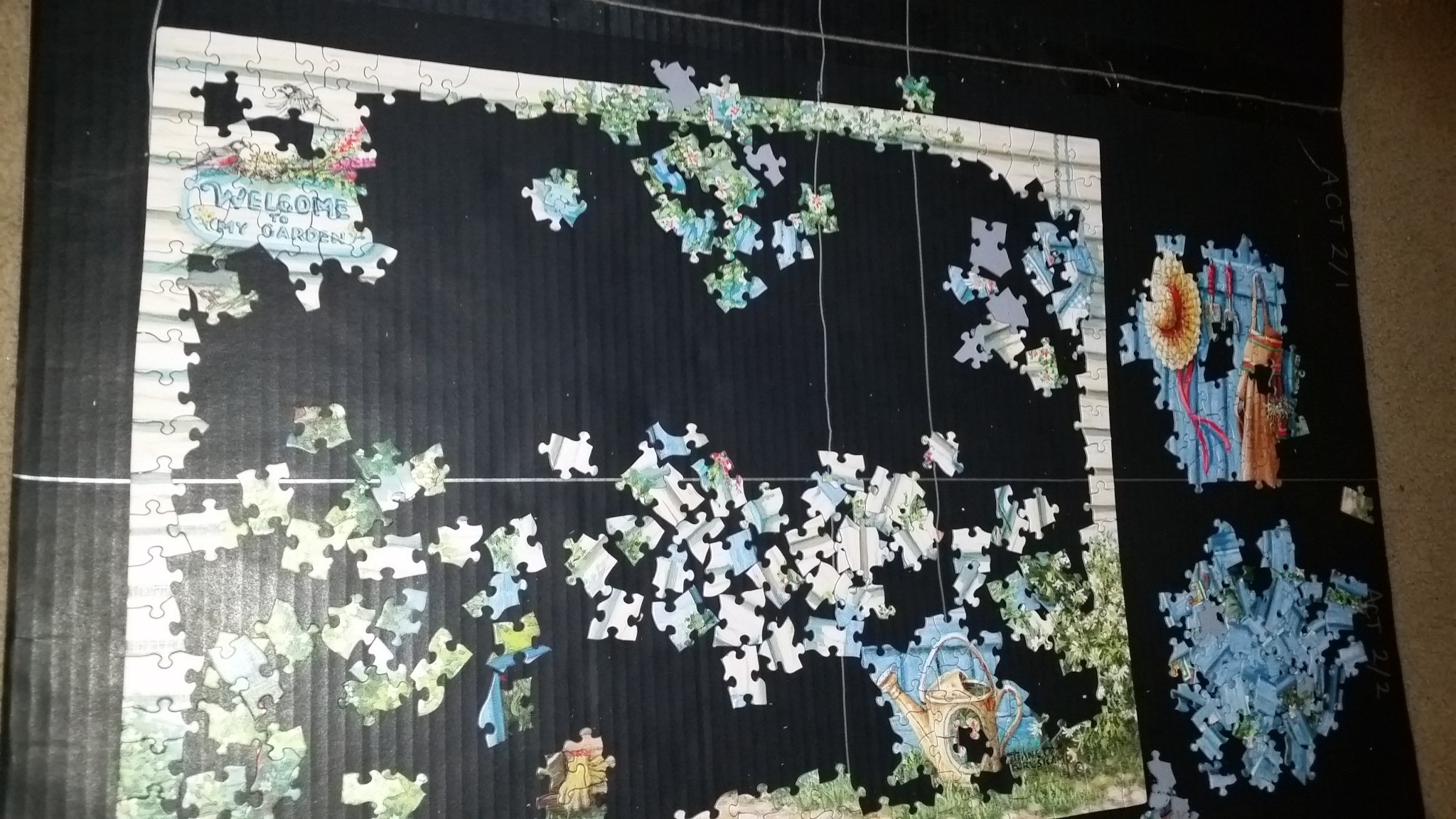
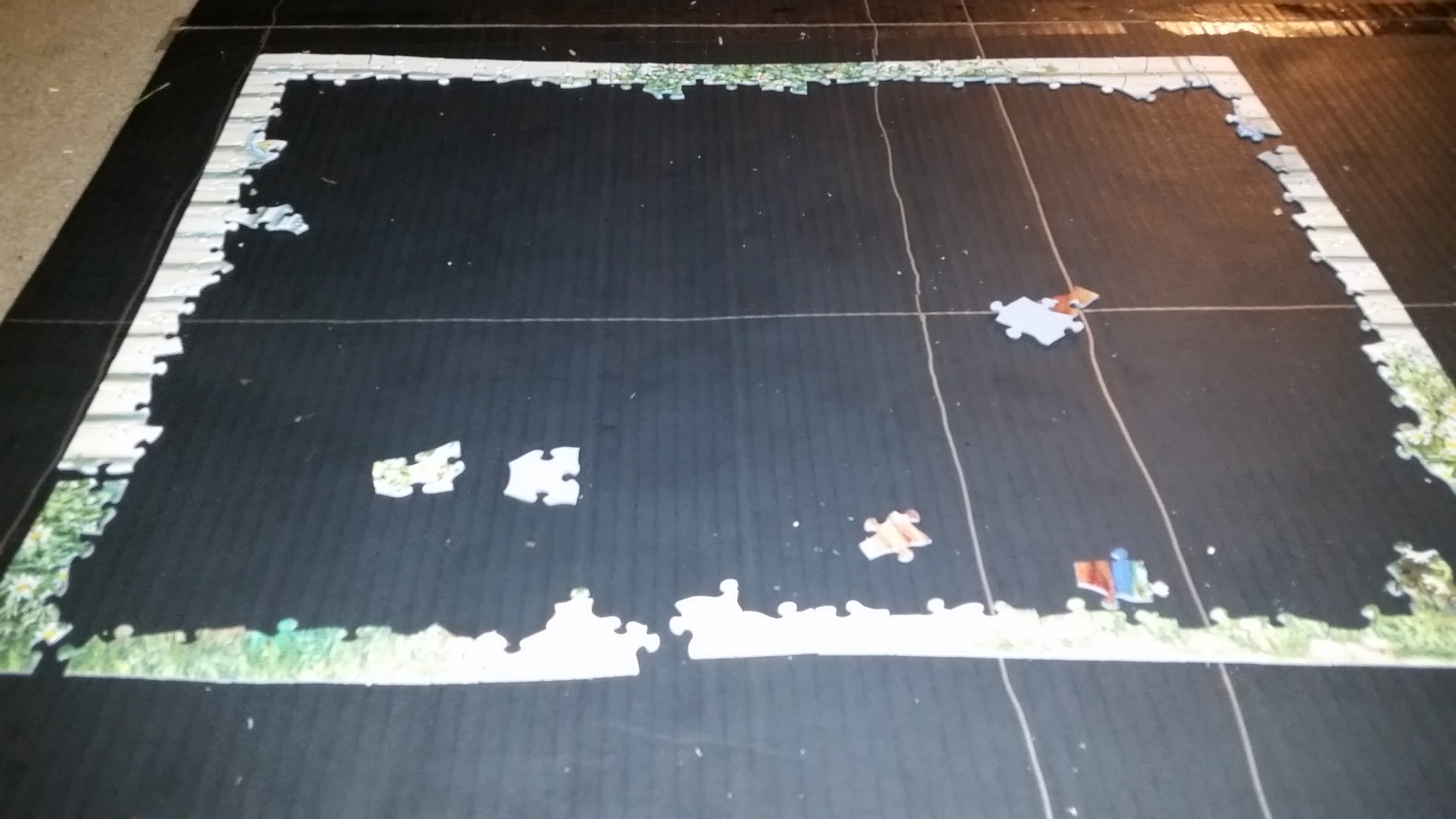
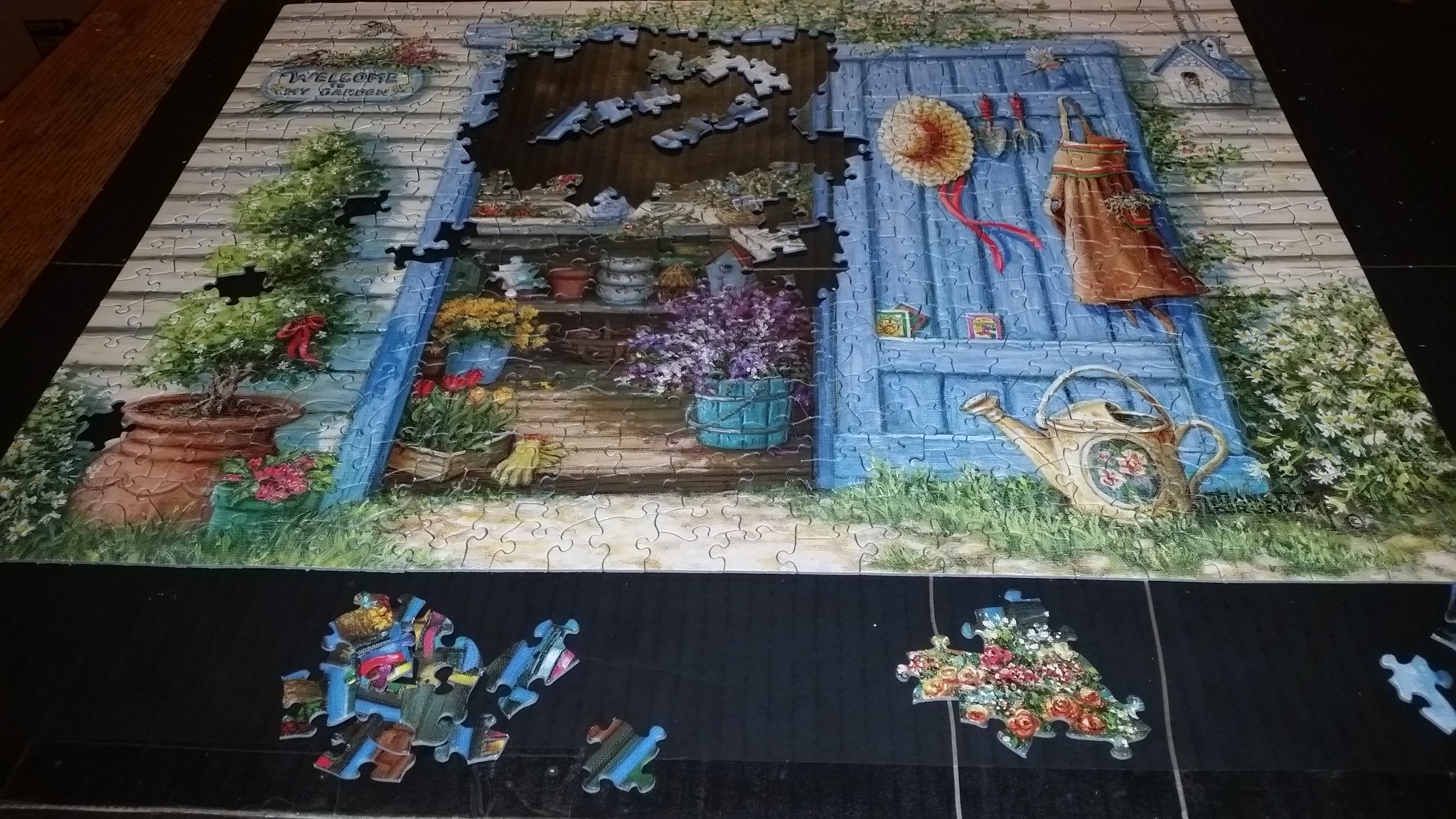
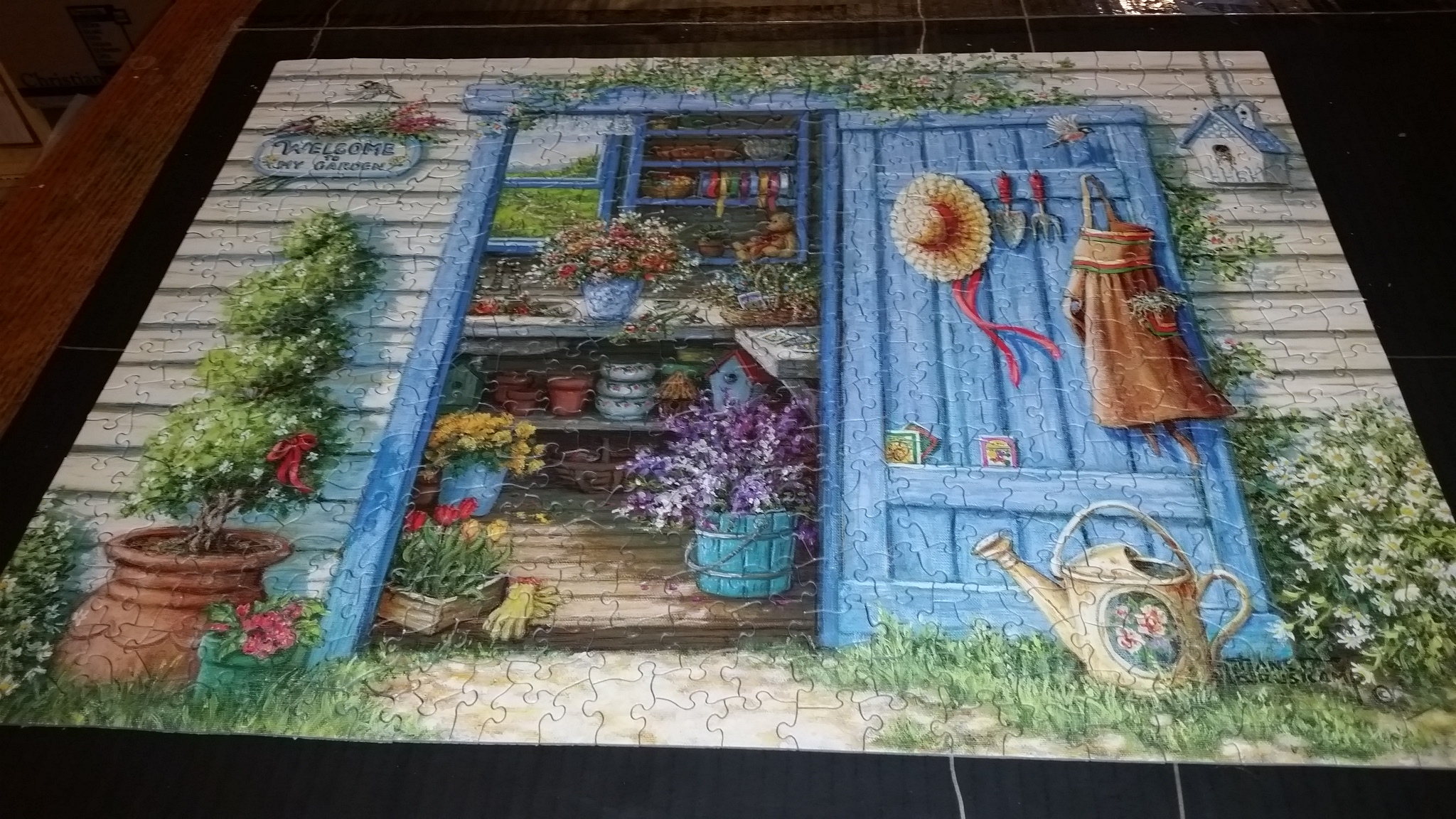
I put the puzzle together on an old plotboard, hence the “Act 2” part. And my 6-year-old was an enthusiastic helper (for about ten minutes).

You start piecing ideas together. The writing is bad, but you know not to let that stop you. Soon, a shape begins to emerge.

Initial draft

What you see:

20151108_004625

What they see:

20151105_224952

“I think it needs a little more,” they say.

You pour in hours of more thought and revision.

Second through fourth drafts

What you see:

20151108_125128

What they see:

20151108_004625

“I like it!” they say. “I didn’t quite get the middle part, though. I think you need to work on that.”

“Darn, does it show that much?”

(It does.)

You take back your story and get to work again. Eventually you heave a tired, satisfied sigh. It’s pretty much done.

You give it to your faithful readers again.

Final Draft:

What you see:

20151108_131227

What they see:

20151108_125128

“What do you mean it’s not finished?” you exclaim. “What more can I do?

“It’s way smoother. I love the details you added!” they assure you.

“But all those details were already in there!”

If they’re good friends, they insist that part of it still isn’t working, so you take it back and look more closely. Oh, now you see where you didn’t really spell out the setting or a character’s reaction. OH! There’s a BIG hole there! How did you not see that?

More hours. More thought. More writing. And eventually you give it back. You admit that this is what it is:

The Story:

20151108_130753

But no story is perfect. You’ve done such a beautiful job on the rest of it that your readers are willing to see it as:

20151108_131227

And you think, “Hey, that was totally worth it!”

Because writers are inspired, passionate, and slightly insane.